How We Approach a Packaging Project
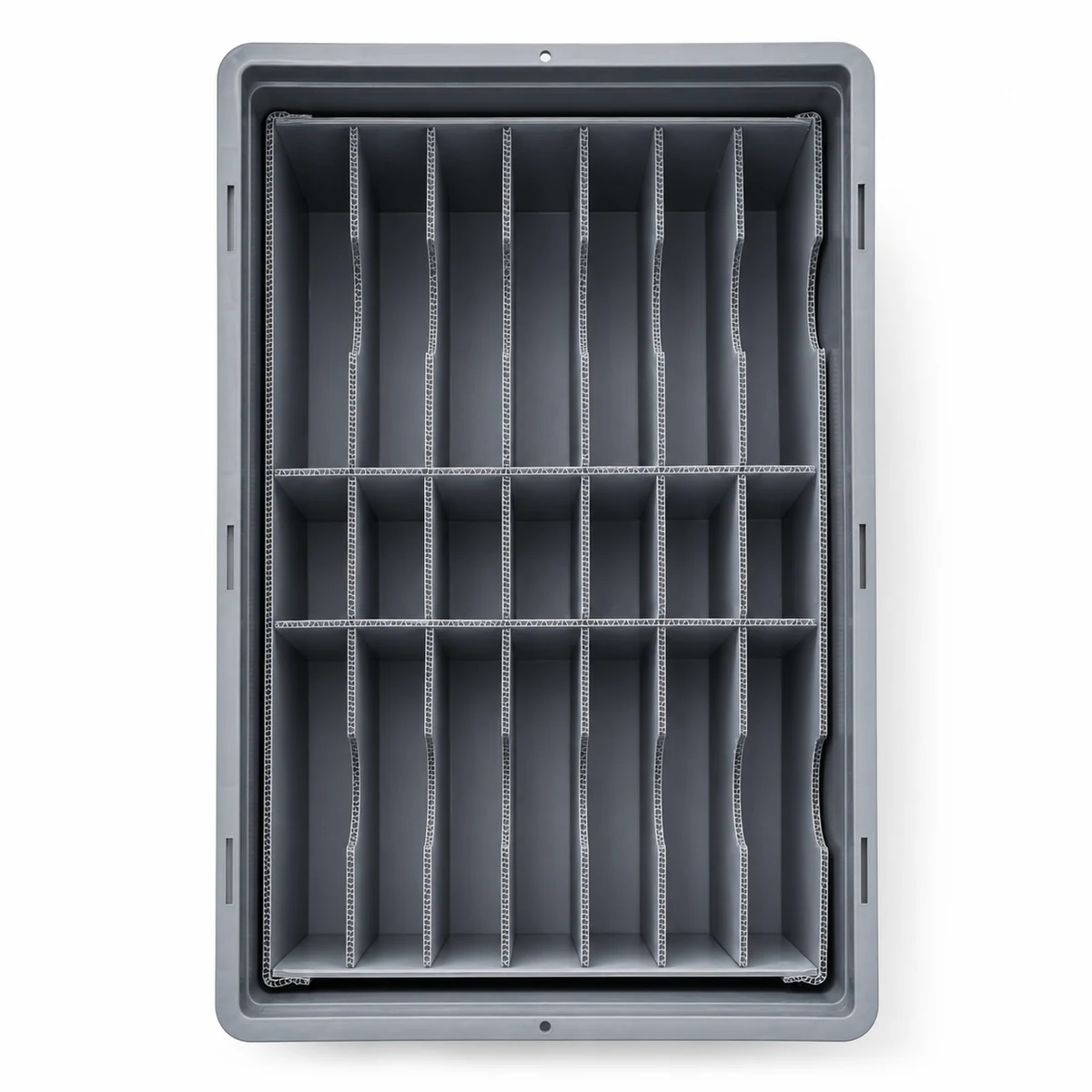
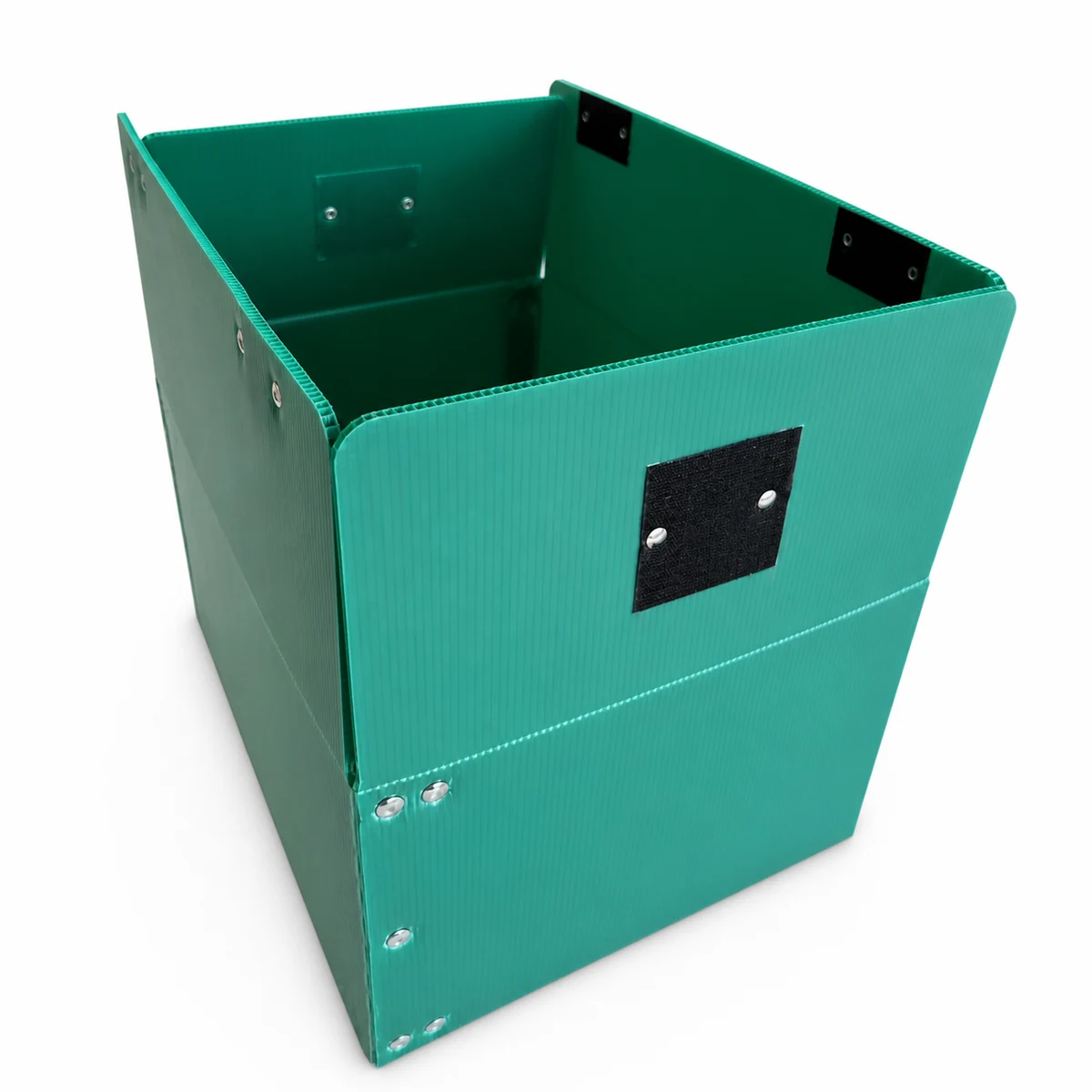
Packaging design starts with the item to be packed. Product or part dimensions, packed weight and quantity per container help define the usable internal space and the structure to evaluate. Photos or drawings can clarify contact points, orientation, fragile areas and whether parts should be separated. A produce box, an automotive component tote and an export pack can require different layouts even when they use the same base material.
The handling route matters as much as the product. We review how a pack will be filled, moved, stacked, stored and transported, including warehouse conditions and the destination where these are relevant. That context helps determine whether a box, bin, divider, insert or dunnage arrangement should be examined. For repeated-use systems, the handling and return route also influences practical design decisions.
Where relevant, material selection includes a review of PP corrugated thickness, GSM and structure alongside load and stacking requirements. A heavier sheet is not automatically the right answer: geometry, support and use conditions need to be assessed together. Export projects may also call for loading-plan discussions before a specification is finalized.
Once the requirements are clear enough, drawings, a packaging proposal or a quotation can be prepared as needed. Open questions should remain visible until the customer confirms the final configuration. The exact process depends on the application; the two case studies above show different project decisions rather than one fixed checklist applied to every enquiry.
Typical Information We Review