This case study follows a fresh-produce export packaging project for a Mexican customer, from the initial RFQ through specification discussions and commercial review. The project was completed in August 2026. The engineering examples below describe the configurations evaluated during that process, rather than a universal specification for all produce boxes.
| Application | Fresh-produce export packaging for Mexico |
|---|---|
| Configurations reviewed | Four produce-box specifications |
| Reference material | Approximately 3 mm PP corrugated board |
| Material-weight range discussed | Approximately 600–800 GSM, depending on configuration |
| Planning basis | Approximately two 40HQ containers; FOB China |
The container figure was the purchasing scale discussed during the RFQ. It is not presented here as a verified final shipment quantity. The article also keeps the individual box dimensions and final commercial terms private.
Project status: Completed in August 2026. This account focuses on material selection, box configuration and export packing decisions. It does not present test results, customer acceptance records or measured performance improvements.
Project Requirements
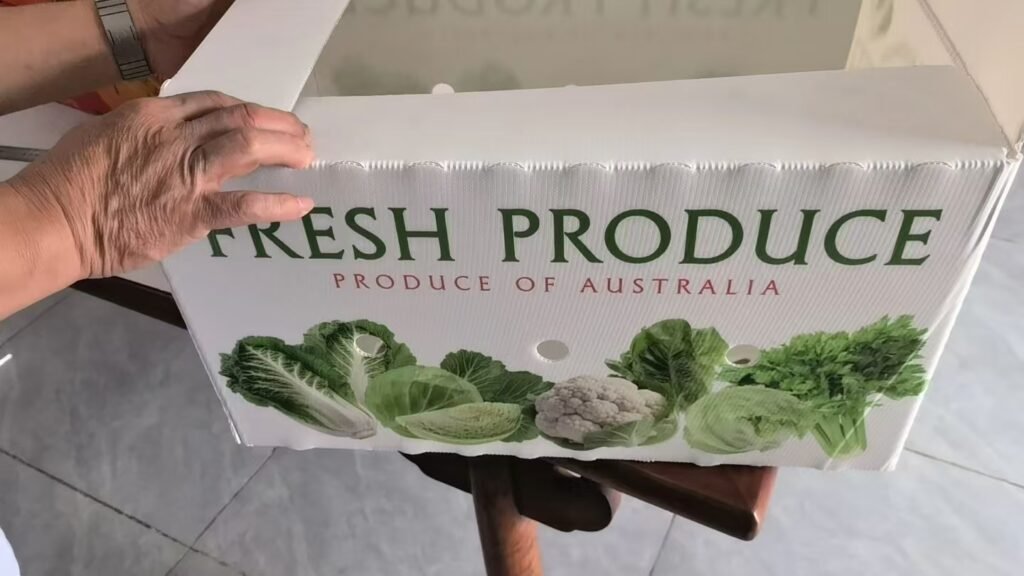
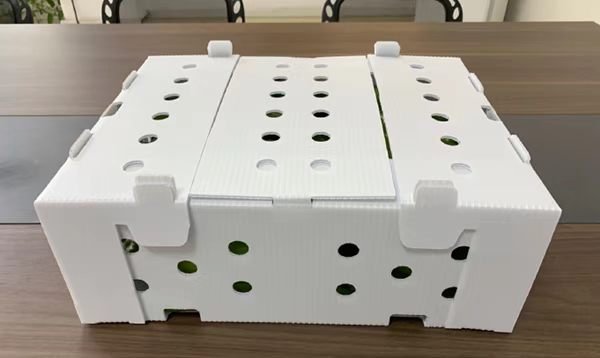
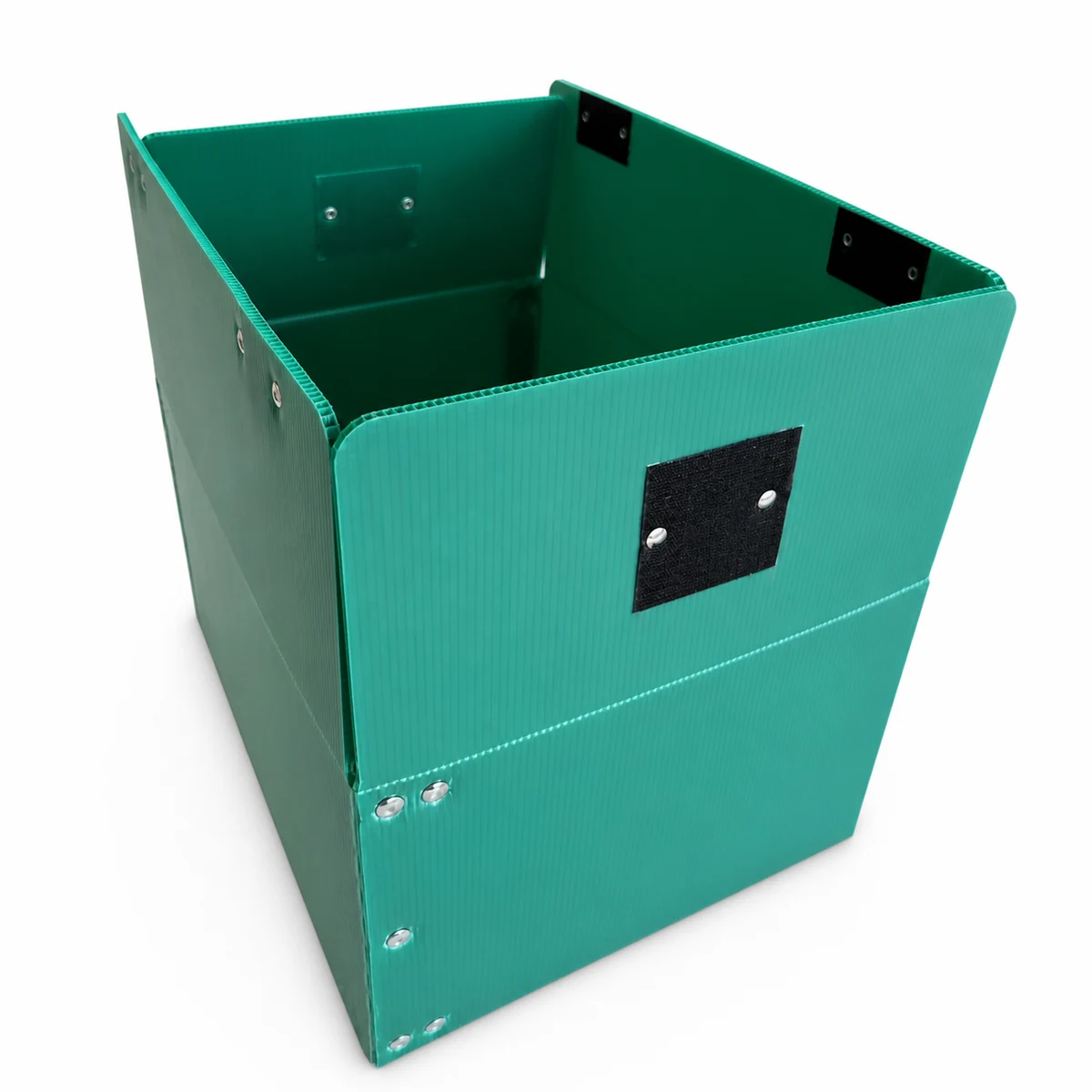
The inquiry covered four produce-box specifications. The customer required PP corrugated packaging for fresh-produce handling and export transportation, with moisture resistance, stackable structures and customized dimensions or configurations. The technical and commercial review therefore had to consider the box and the export packing method together.
Why Thickness Alone Was Not Enough
The customer initially discussed 3 mm board. That dimension described thickness, but it did not fully define the box structure or performance. GSM, meaning material mass per square metre, was another part of the specification. PP material composition, flute direction, box dimensions and reinforcement also mattered to the engineering review.
For this project, material weight was considered alongside produce weight, stacking requirements and transport conditions. Ventilation and drainage details were also relevant to the box design. This is why two boxes with a similar appearance and the same nominal thickness should not automatically be treated as technically equivalent.
Reviewing the GSM Configuration
Different produce-box configurations were evaluated between approximately 600 and 800 GSM. One configuration initially discussed around 750 GSM was later reviewed at 800 GSM after considering the required structural stability. Other configurations included discussion of 600, 700 and 800 GSM.
This was a specification-review decision. It does not mean that 750 GSM failed a test, or that 800 GSM is suitable for every produce shipment. The relevant combination depended on the particular box size, loading condition and stacking requirement. The figures describe the RFQ analysis, not a blanket production recommendation.
For an initial material-weight estimate, our PP corrugated box GSM and weight calculator can help organize the calculation. An estimate still needs to be reviewed against the actual structure.
Comparing Specifications During Commercial Review
The RFQ included cost calculation, FOB quotation and negotiation. The initial offer and the buyer’s expectations differed, which prompted further review of material weight and the cost structure. The useful engineering question was which requirements a configuration needed to meet, rather than how far its material could be reduced.
Factors considered in the comparison included material formulation, unfolded box area, printing, ventilation or drainage, reinforcement, order quantity and packing method. A comparison based on technically equivalent specifications is more meaningful than one based only on nominal thickness. No customer prices, target figures, negotiation percentages or transaction values are disclosed in this case study.
Planning Container Loading
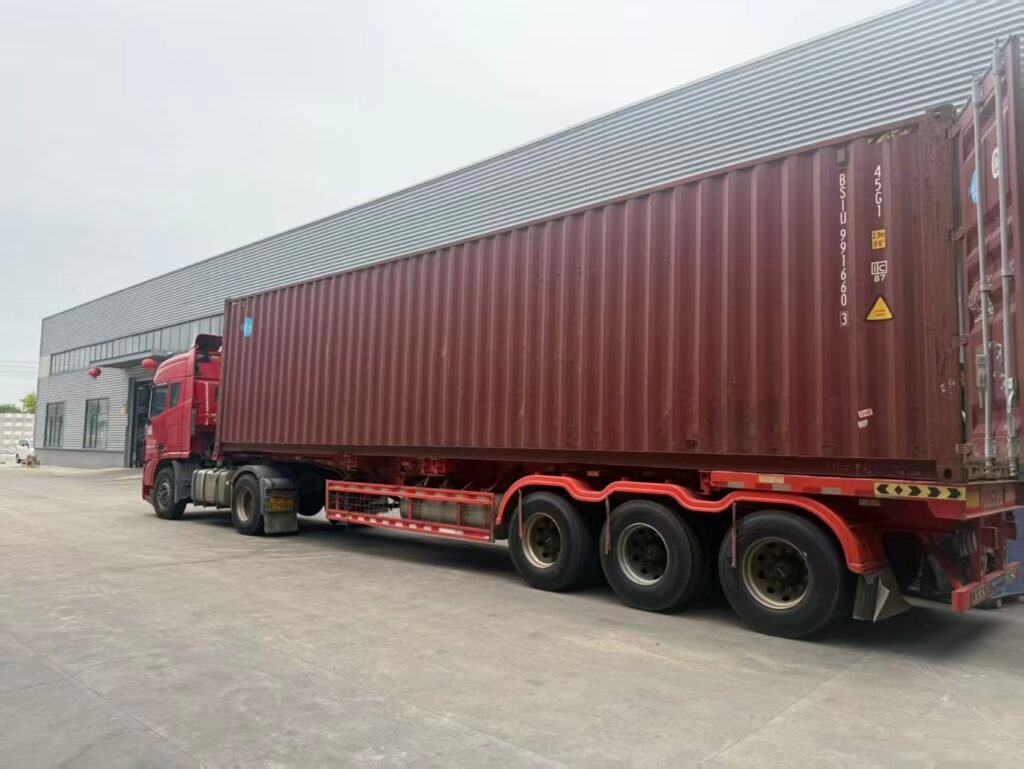
The RFQ planning basis of approximately two 40HQ containers made packing efficiency relevant alongside the box specification. Palletized loading and loose or mixed loading were discussed. PP corrugated boxes are relatively light but bulky, so material weight alone did not describe the export logistics requirement.
The packing review considered cubic volume, pallet height, loading density, possible deformation during transport and unloading convenience. These were planning considerations, not a claim that a particular loading arrangement had passed transport testing. The case does not disclose a final container count or verified logistics saving.
What the Project Shows
The project was completed in August 2026. Its RFQ history illustrates three practical points: define material weight alongside thickness, compare like-for-like structures, and evaluate the packing method before treating logistics as a separate final step. Completion alone does not establish a particular stacking capacity, service life or test result.
For the broader application, see our fresh-produce packaging solutions. Product options are covered separately in waterproof produce packaging and custom corrugated plastic boxes. This article remains a project example about specification and export planning.
Discuss a Produce Packaging Project
Share the produce type, box dimensions, packed weight, stacking requirement and intended transport conditions. Include the planned quantity and packing preferences so the material, structure and container-loading assumptions can be reviewed together.