Peak harvest puts pressure on more than harvesting crews. Produce growers also need enough packaging, reliable delivery schedules and a practical plan for moving boxes through packing, cooling and distribution.
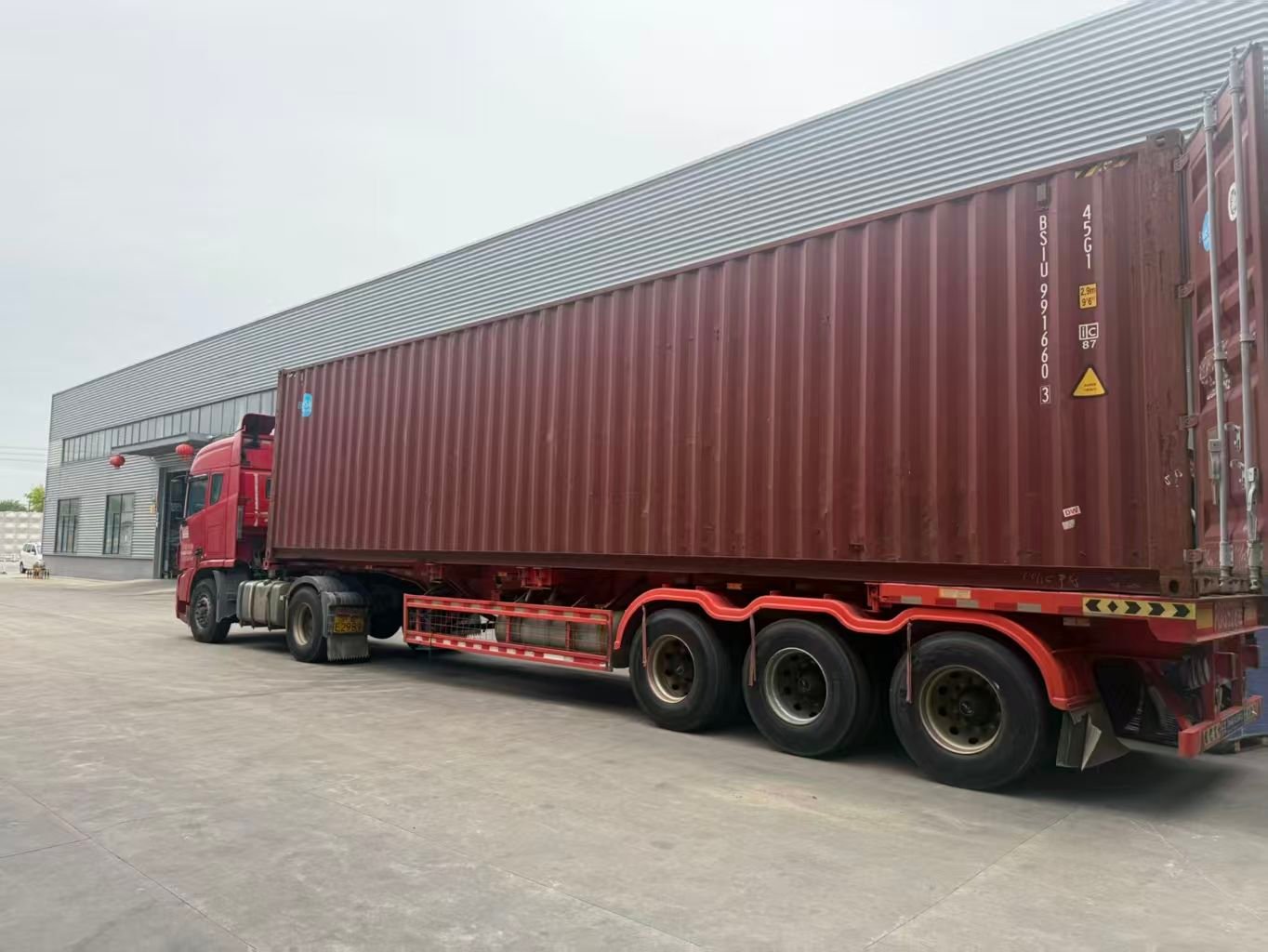
If packaging arrives late, packing and dispatch can slow down. If a box is not suited to the packed weight, pallet pattern or cold-chain conditions, repeated handling can increase the risk of deformation, unstable stacks and produce damage.
For this reason, peak harvest produce packaging should be planned as part of the supply chain rather than treated as a last-minute purchase.
The problem was bigger than packaging waste
Single-use packaging can create practical pressure when harvest volumes rise quickly. A grower may need to purchase more boxes at short notice, store large quantities before use and manage damaged or discarded packaging after delivery.
A reusable packaging system changes the planning question. Instead of considering only how many boxes are purchased, the business must also calculate how quickly boxes complete each route, how many are unavailable during transport or washing and what reserve quantity is needed when returns are delayed.
The right balance will depend on weekly harvest volume, delivery distance, distributor cooperation and the time required for collection, cleaning and inspection. Packaging availability, circulation and return logistics therefore need to be confirmed before peak volumes arrive.
Packaging performance matters beyond the unit price
Fresh vegetables may pass through sorting, pre-cooling, cold storage, transport and distributor handling. Every additional transfer requires labour and creates another opportunity for impact, compression or product loss.
A suitable produce box should be evaluated across that full route. Consistent external dimensions support pallet planning and stable stacking. Ventilation openings should match the cooling method and pallet airflow. Moisture-resistant materials can help the box retain its structure where condensation, rain or process water is expected.
The box does not replace temperature control, correct loading or careful handling. It should work with those systems. Our guide to choosing PP corrugated produce boxes explains the dimensions, GSM, ventilation and stacking information that should be confirmed before production.
Where PP corrugated boxes may fit
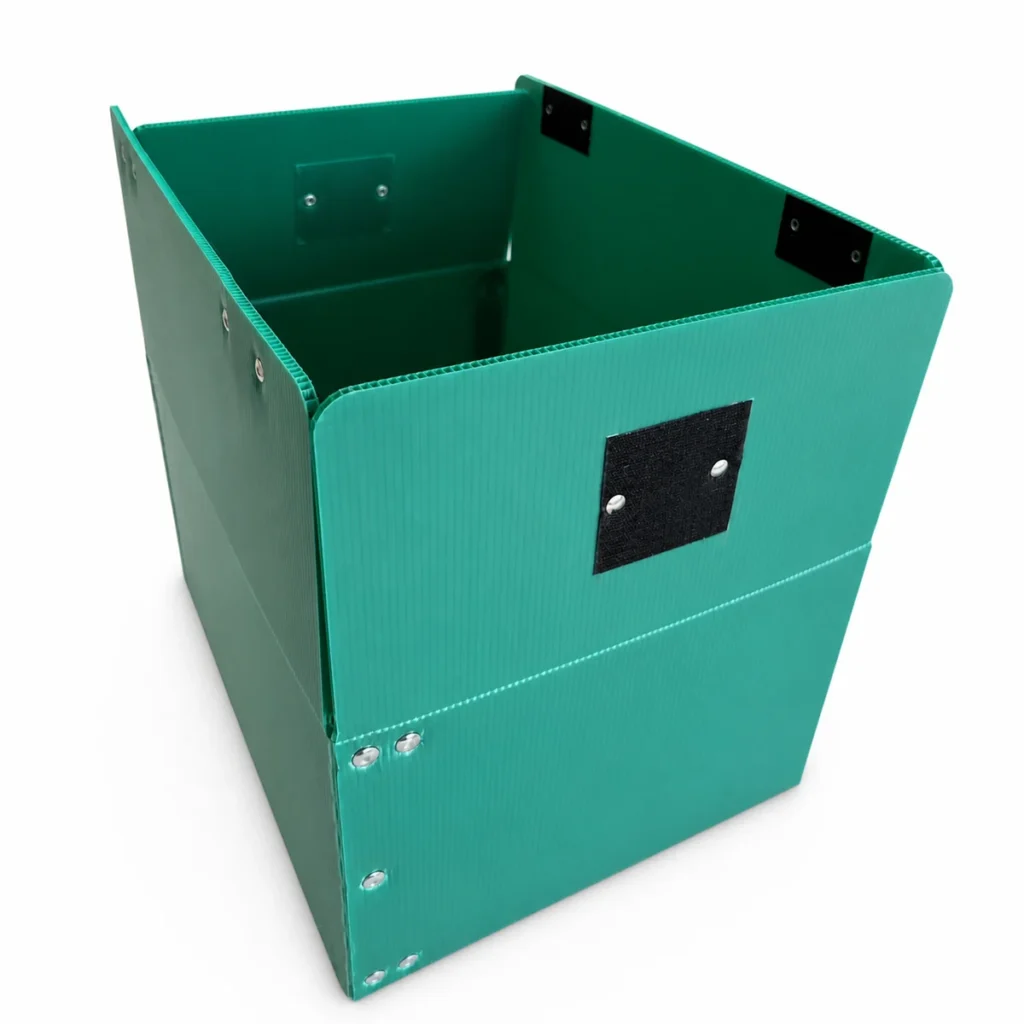
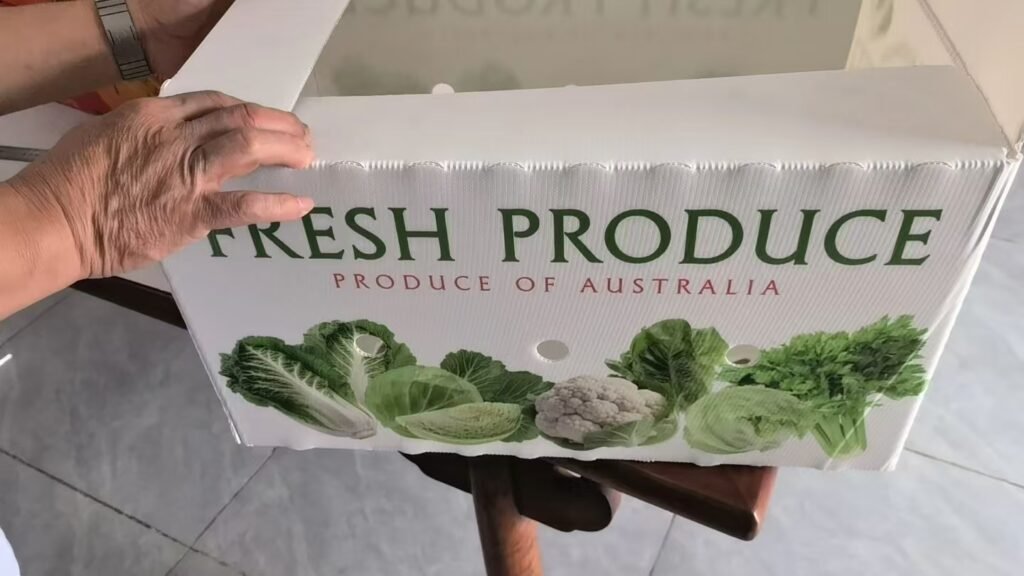
Custom PP corrugated boxes are different from injection-moulded pooled crates. They can, however, be useful for farm-to-packer, exporter or distributor routes that need lightweight, moisture-resistant and application-specific packaging.
Compared with untreated paper-based corrugated packaging, PP corrugated board does not absorb water in the same way. A correctly specified box can be washed and returned to use, subject to the selected material, joint construction, cleaning method and inspection requirements.
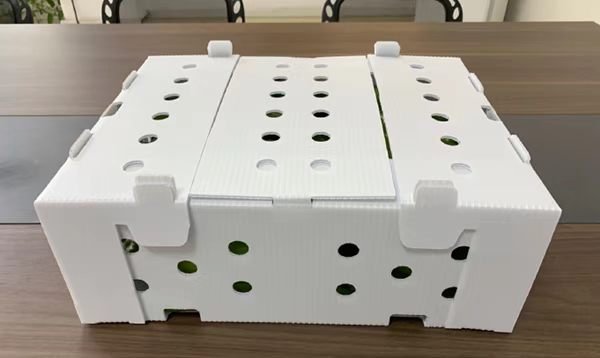
Ventilation holes, hand holes and drainage openings can be added for the product and handling route. These openings also remove load-bearing material, so their number and position must be checked together with packed weight, stacking height and storage time.
For a reusable system, the relevant comparison is not only the purchase price of one box. Buyers should calculate packaging cost per completed delivery cycle and include expected loss, reverse transport, washing, inspection and replacement. Reuse may improve the cost per trip, but only when a workable return route keeps the boxes circulating.
How to prepare peak harvest produce packaging
A practical plan can begin with the following checks:
- Forecast weekly demand: estimate normal and peak box quantities by produce line and destination.
- Confirm lead time: allow for sampling, artwork approval, production and transport before harvesting accelerates.
- Define the packed load: record net product weight, internal dimensions, packing orientation and whether ice or liners are used.
- Check the pallet pattern: confirm external dimensions, boxes per layer, number of layers and expected storage duration.
- Design airflow deliberately: align ventilation with the pre-cooling method and avoid unnecessary openings that weaken stacking areas.
- Plan the return loop: assign responsibility for collection, washing, inspection, damaged-box removal and return transport.
- Keep contingency stock: set a minimum buffer based on supplier lead time and the speed at which reusable boxes return.
A small route trial is preferable to assuming one design will suit every crop or distributor. Loaded boxes should be tested under the actual temperature, humidity, stacking and handling conditions before a larger order.
Choosing a system for the actual produce route
Not every farm needs the same reusable packaging model. The practical approach is to match box supply and circulation to seasonal demand and the real distribution route.
For businesses operating between a farm, packing facility, cold store and a regular group of distributors, custom fresh produce packaging can be designed around crops such as broccoli, asparagus, celery and leafy vegetables. Dimensions, board weight, ventilation, drainage and stacking structure should be selected for the actual load rather than copied from an unrelated box.
Businesses considering repeated use should also map their returnable logistics process. Box ownership, identification, cleaning responsibility and return timing are as important as the material itself.
When packaging supply, box performance and the return process are planned together, packaging becomes part of harvest capacity rather than a source of last-minute disruption.
Contact Xianghui Pack to discuss box dimensions, packed load, ventilation, stacking conditions, order quantity and delivery timing for a peak-season produce packaging project.