A produce box may leave the packing shed dry and rigid, then pass through pre-cooling, a humid cold room, pallet compression, refrigerated transport and several rounds of handling before it reaches the distributor. Packaging failures often appear late in that journey, after the vegetables have already absorbed most of the growing and packing cost.
Cardboard remains practical for many one-way produce shipments. The difficulty begins when condensation, process water or melting ice softens the board. A weakened box may bulge or lose stacking strength, especially when it carries heavier vegetables such as cabbage, lettuce and other leafy produce.
For farms evaluating reusable produce boxes in Australia, PP corrugated plastic boxes offer another way to organise the route from farm to distributor.
For custom box specifications, export requirements and commercial project details, see our fresh produce packaging solutions for growers, packhouses and exporters.
Where Moisture Changes Box Performance
PP corrugated board does not absorb water in the same way as fibreboard. Condensation may still collect on the box or the produce, but the board itself is less likely to soften simply because the cold-chain environment is humid.
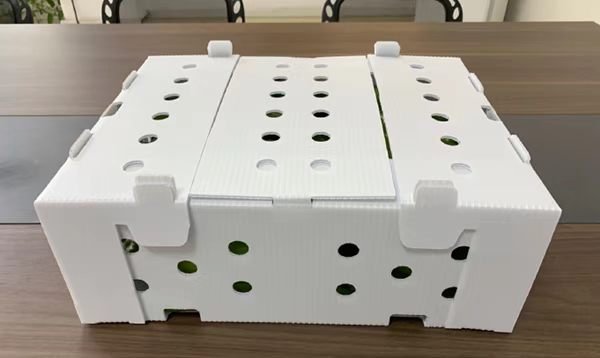
Ventilation openings can be positioned for the actual cooling method and pallet pattern. The important point is alignment: air must be able to move through the loaded pallet, not just through an individual empty box. Openings also need to leave enough material around corners, folds and load-bearing walls.
The box does not cool the vegetables and cannot correct a broken cold chain. Its job is more straightforward: retain its shape, allow the planned airflow and protect the load while refrigeration controls the temperature.
Design the Box Around the Load
A useful specification starts with the packed product, not with a standard sheet thickness. The farm and box supplier should confirm the internal dimensions, net packed weight, boxes per pallet layer, number of layers, storage time and minimum operating temperature.
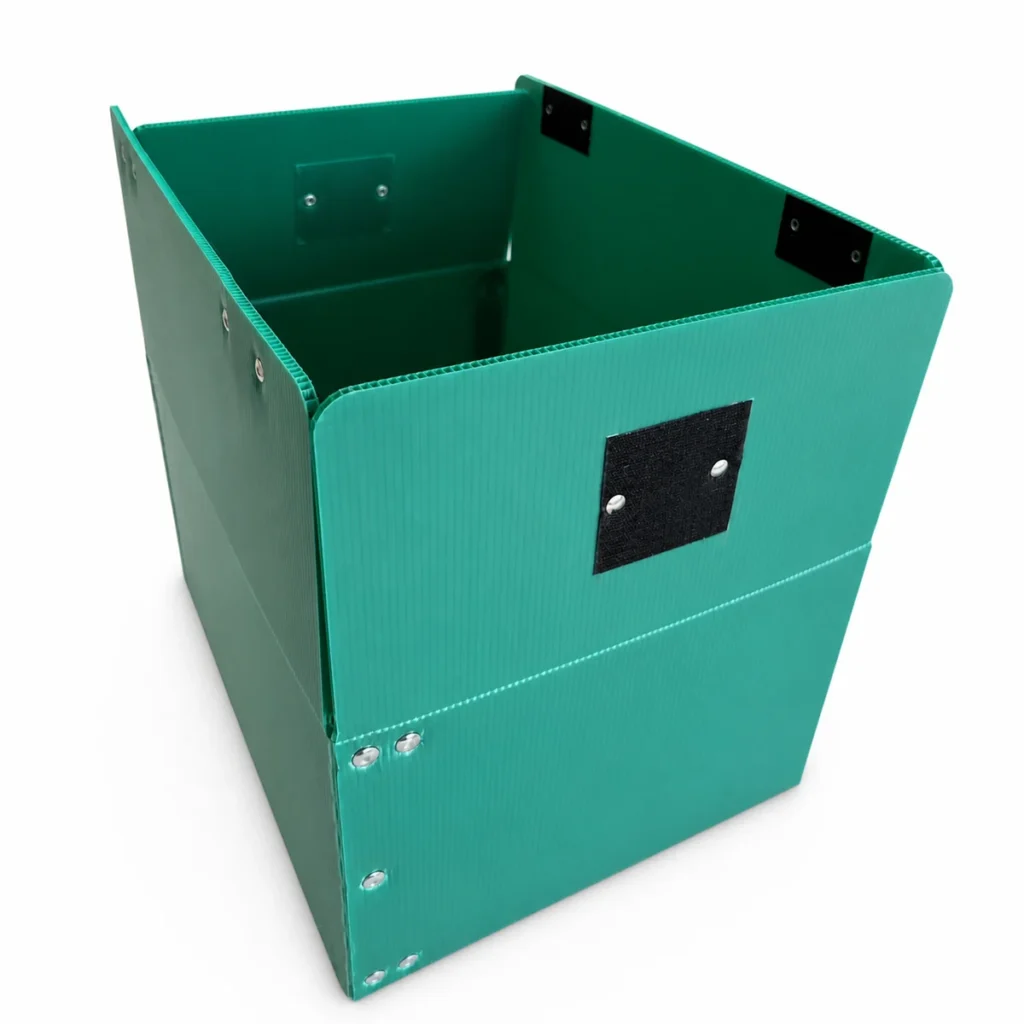
Reinforced edges, hand holes, drainage openings and locking tabs can then be added where the route requires them. For a heavy leafy-vegetable load, the position of these features matters as much as their presence. A large hand hole or ventilation opening placed in the wrong area can remove material from a wall that carries the stack above it.
A properly matched design can reduce several familiar problems:
- Side-wall bulging during transport
- Unstable pallet stacks in cold storage
- Compression damage to vegetables
- Box failure after repeated wet handling
- Early replacement caused by damaged folds or closures
The Return Trip Determines Whether Reuse Works
Box strength alone does not make a reusable packaging system economical. The empty boxes must come back.
A typical loop may be:
Farm → Packing Shed → Cold Storage → Refrigerated Transport → Distributor → Empty Box Collection → Return to Farm
After unloading, the distributor separates the empty boxes from disposable packaging and holds them for collection. A foldable or nestable design can reduce the space required for the return journey, but the choice depends on the box structure and the handling equipment already in use.
Back at the farm, each box needs a defined cleaning and inspection step. Damaged locks, split folds or badly distorted panels should be removed from circulation before the next packing run. Responsibility for collection, cleaning and replacement should be agreed with the distributor before the trial begins.
Make Ownership Clear
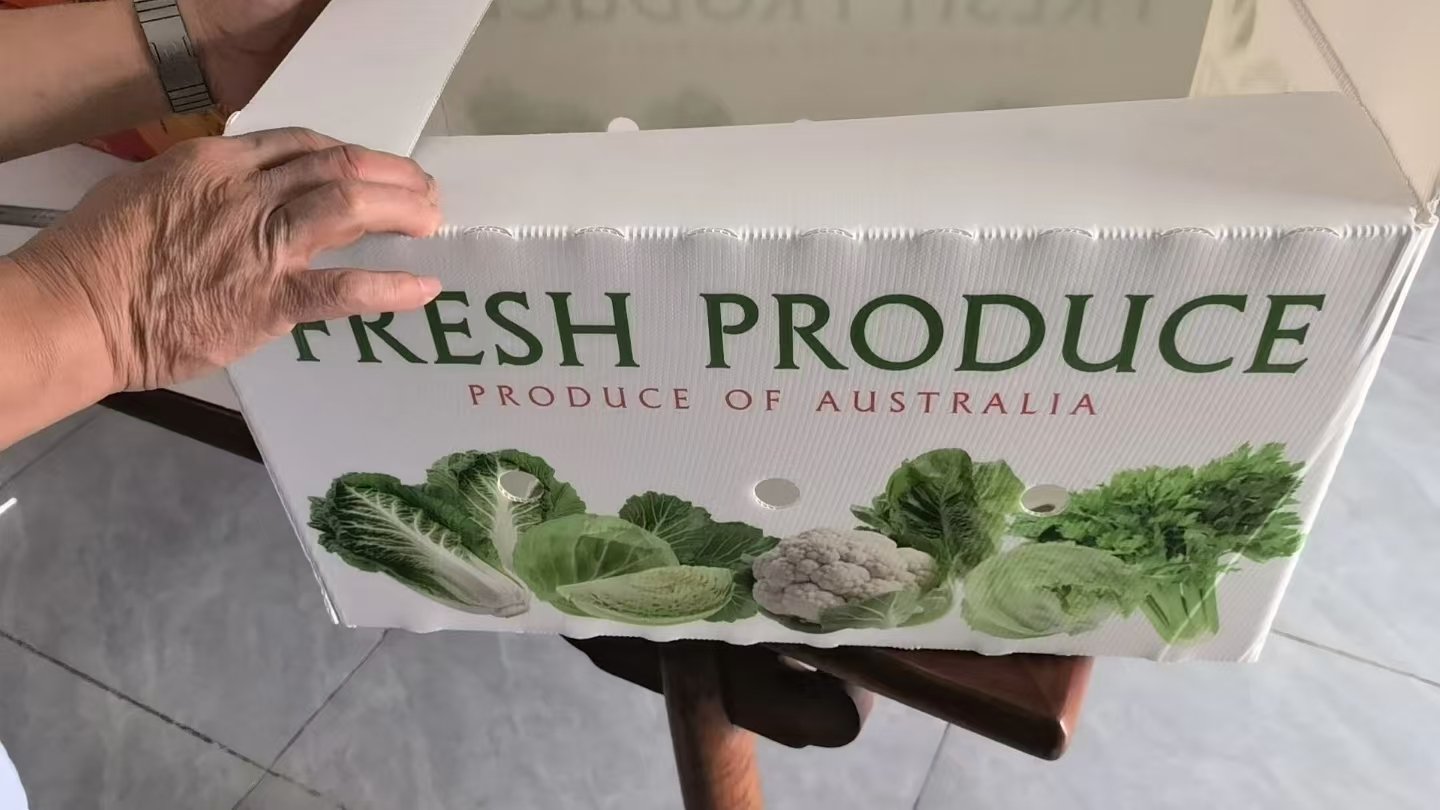
A plain reusable box is easy to lose in a shared warehouse. Printing and identification are therefore part of the logistics design, not only branding.
Useful identification can include:
- Farm name and logo
- Distributor or route information
- Produce category and box capacity
- Return instructions
- A colour assigned to a farm, crop or route
- A barcode or QR code linked to the farm’s tracking process
A code is only useful when someone scans it and records the movement. For a small trial, clear printed ownership and a simple collection count may provide enough information. Digital tracking becomes more valuable as the pool of boxes, farms and distribution points grows.
Pilot One Route Before Expanding
Replacing every produce box at once makes it difficult to identify why a return system succeeds or fails. A better starting point is one crop, one distributor and one regular delivery route.
During the trial, record:
- Box and produce condition on arrival
- Stack movement or deformation during transport
- Performance after time in the cold room
- Number of boxes issued, returned and rejected
- Time and method required for cleaning
- Space used by empty boxes on the return trip
- Cost per completed delivery cycle
These observations are more useful than an estimated reuse count on its own. They show whether the box, the cleaning routine and the distributor’s return process work together under real conditions.
Treat the Box as Part of the Logistics System
Disposable packaging creates a new packaging cost for every shipment. A reusable box changes that calculation: its value depends on how many complete cycles it finishes, how often it is lost or damaged, and what it costs to collect and clean.
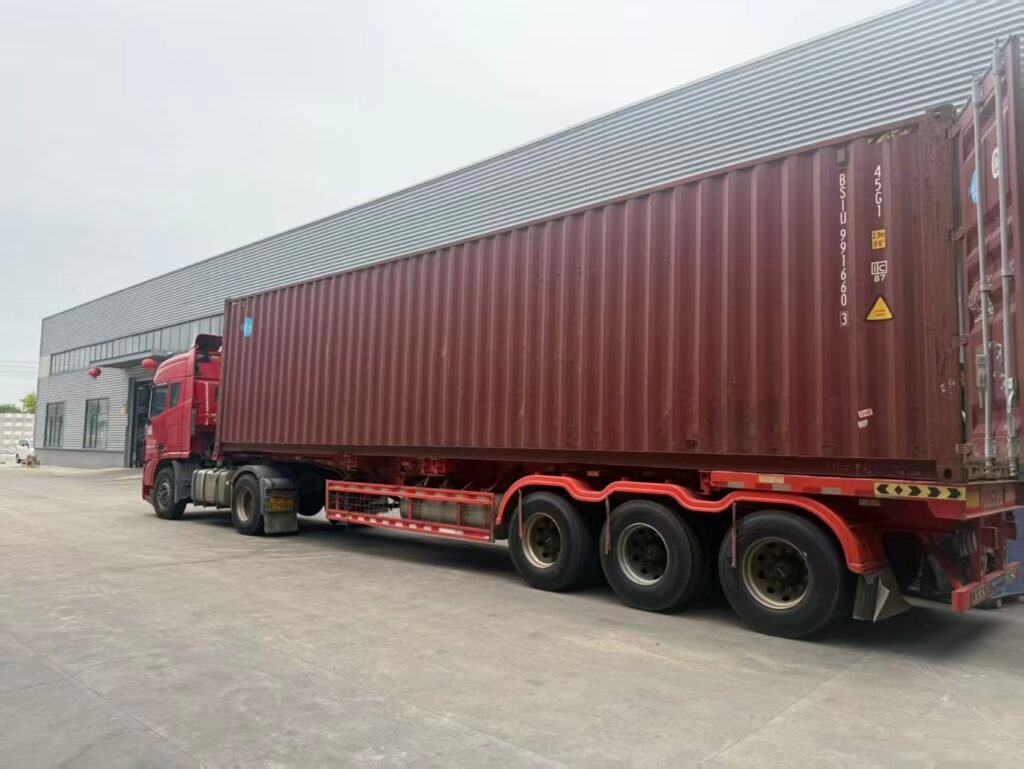
For refrigerated transport and returnable packaging systems, internal size, load capacity, ventilation, drainage, folding structure, printing and identification can be matched to the actual route.
To review a project, provide the produce type, packed weight, pallet arrangement, cooling method, route, return process and expected order quantity. Contact us to discuss a trial for your farm or distribution network.