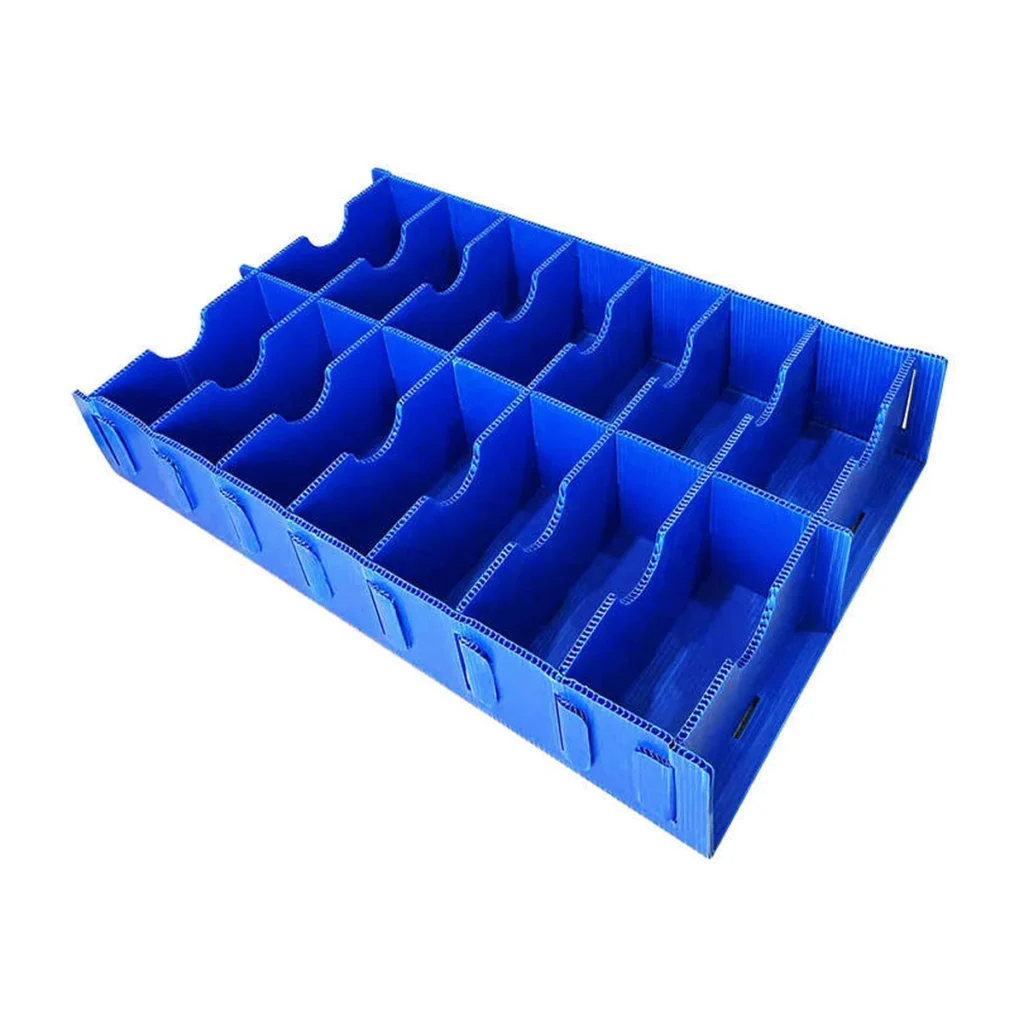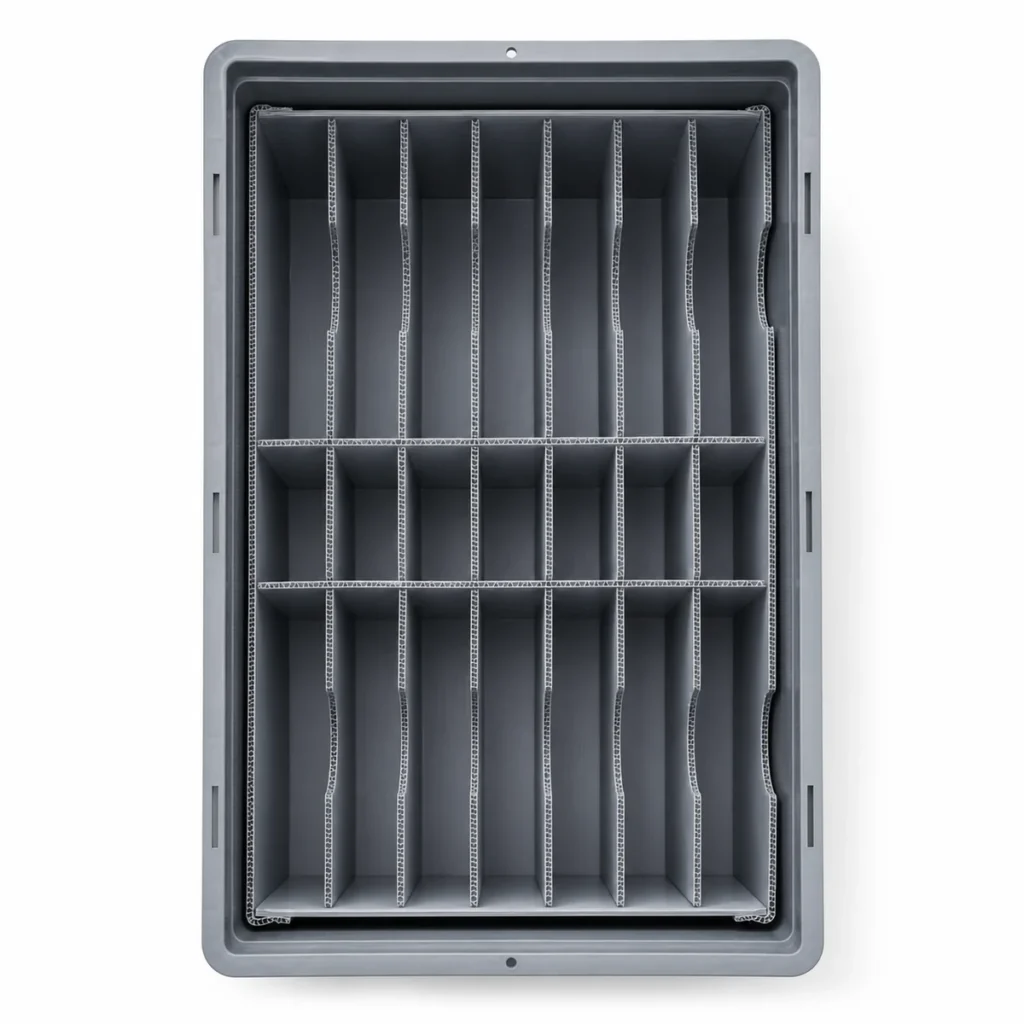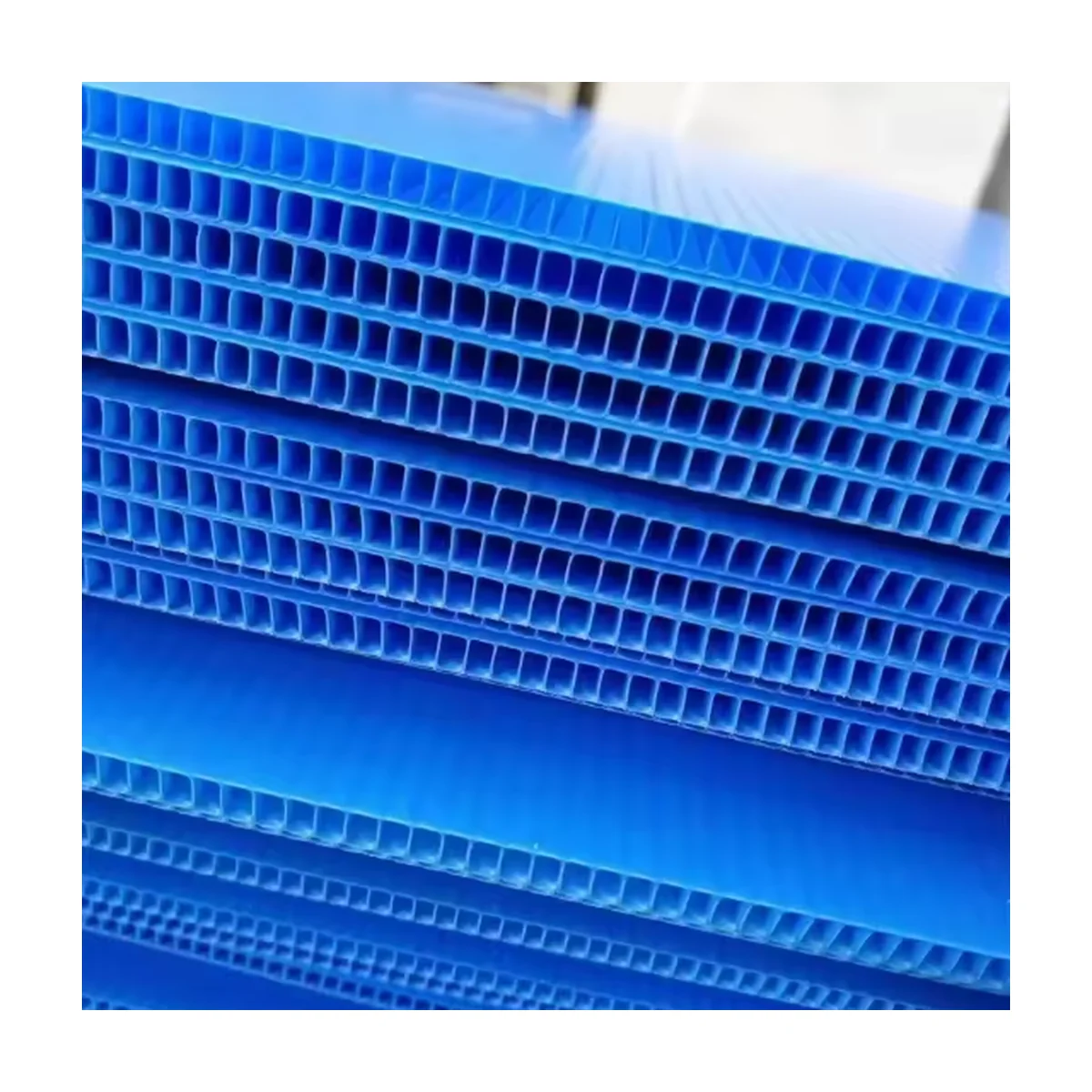
PP corrugated plastic sheet—also known as PP hollow sheet or twin-wall polypropylene sheet—is made with two flat outer skins connected by a hollow rib structure.
Learn more about corrugated polypropylene, including how thickness, GSM and structure affect packaging performance.
That internal structure gives the sheet a useful balance of stiffness and weight. Compared with a solid plastic sheet of similar thickness, it can use less material while still providing the structure required for packaging, dividers, layer pads and other industrial applications.
But not every PP corrugated sheet performs the same. Final quality depends on three connected factors: the resin, the formulation and the extrusion process.
1. Raw Material Matters
One important resin parameter is MFI (Melt Flow Index). In simple terms, MFI indicates how easily molten polypropylene flows under specified test conditions. Lower-MFI resin generally has higher melt viscosity, while higher-MFI resin flows more easily. The suitable range depends on the sheet thickness, die design, line conditions and final application.
Another important consideration is the ratio of virgin PP to recycled PP. Two sheets can both be sold as 3 mm PP corrugated sheet but still differ in stiffness, toughness, color consistency and surface quality because their resin formulations are different.
Depending on the application, manufacturers may also add:
- Color masterbatch
- UV stabilizers
- Antistatic additives
- Flame-retardant additives
- Conductive materials
These options are project-specific. Thickness alone is never the complete material specification.
2. How PP Corrugated Plastic Sheet Is Extruded
The basic production sequence is straightforward. PP resin and the specified additives are blended, then fed into an extruder where the material is heated, mixed and melted.
The molten PP passes through a specially designed die that forms:
top skin + internal ribs + bottom skin
This creates the familiar twin-wall structure. After leaving the die, the sheet is cooled and calibrated so the thickness, rib shape and flatness can stabilize. The sheet is then pulled through the line at a controlled speed before being cut to the required dimensions.
The difficult part is not simply producing a sheet. It is keeping the process stable. Small changes in the following conditions can affect thickness consistency, rib shape, surface quality and flatness:
- Melt pressure
- Die temperature
- Cooling conditions
- Haul-off speed
For a wider view of how sheet extrusion connects with printing, die cutting and box assembly, see how PP corrugated plastic boxes are made.
3. Common PP Corrugated Sheet Defects Buyers Should Check
For buyers, recognizing common defects is often more useful than understanding every machine setting.
Uneven Thickness
A sheet may measure correctly in one area but be thinner at an edge or in the center. Thickness should therefore be checked at several defined points rather than measured only once.
Collapsed or Irregular Ribs
Inspect the cut edge. If internal ribs are flattened, incomplete or unevenly spaced, the sheet may lose stiffness or provide inconsistent support in the finished part.
Warpage
A sheet that curls, twists or does not sit flat can cause problems during printing, die cutting, welding, folding or box assembly.
Surface Waviness
Visible ripples or an uneven outer skin can affect printing quality, appearance and downstream processing.
Soft or Low-Stiffness Sheet
Two sheets with the same nominal thickness can still feel very different. The cause may be resin grade, recycled content, GSM, rib structure or process conditions. If you need to estimate sheet or box weight by area and GSM, use our GSM weight calculator.
4. A Simple Incoming Inspection
For a normal incoming inspection, buyers can begin with four practical checks.
Measure Thickness at Five Points
Measure the four corners and the center. For formal quality control, define the measuring positions, instrument and tolerance in the approved specification.
Inspect the Cross-Section
Check whether the ribs are straight, continuous and evenly spaced. Compare the edge with the approved sample or drawing.
Check Flatness
Place the sheet on a flat reference surface and look for curling, twisting or raised areas.
Compare With an Approved Sample
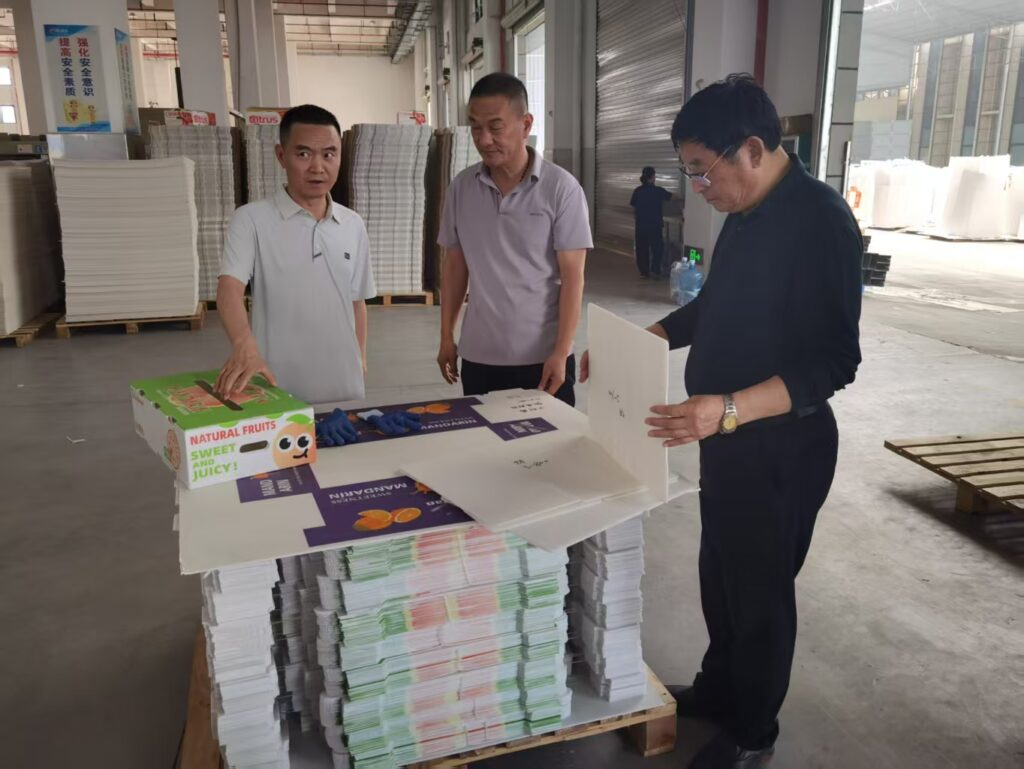
For repeat orders, retain an approved sample. It provides a practical reference for color, stiffness, surface appearance, rib structure and overall consistency.
5. Do Not Compare PP Sheet by Thickness Alone
When buying PP corrugated plastic sheet, the easiest question is:
Is it 3 mm or 4 mm?
A useful comparison should also include:
- Resin formulation
- Virgin/recycled material ratio
- GSM
- Rib structure
- Thickness consistency and tolerance
- Surface quality
- Flatness
Two sheets with the same nominal thickness are not necessarily the same product. For reusable packaging, industrial corrugated plastic dividers or other applications where performance matters, define the material, process and acceptance requirements first—then compare prices.
Need a Project-Specific PP Sheet Specification?
Share the required sheet dimensions, thickness, GSM, color, application, quantity and any additive or printing requirements. Contact Xianghui Pack to review a custom corrugated polypropylene sheet specification.