What Is Corrugated Polypropylene?
Corrugated polypropylene is a lightweight plastic sheet widely used for packaging, storage, product protection and returnable transport.
The name can be a little confusing because different markets use different terms. You may see it called corrugated polypropylene sheet, fluted polypropylene, hollow polypropylene board, twin-wall polypropylene sheet or simply corrugated plastic sheet. The wording changes, but the material is essentially based on polypropylene, or PP resin.
The formulation does not have to be exactly the same for every application. Some sheets are made mainly from PP resin, while others use calcium carbonate (CaCO₃) as a mineral filler. A small amount of PE may also be added in some formulations to adjust flexibility, impact resistance or processing behavior.
So two sheets that are both 3 mm thick may still feel and perform quite differently. The resin grade, filler ratio, sheet weight and internal structure all matter.
In simple terms, corrugated polypropylene is a PP-based sheet with two outer skins and a hollow ribbed core. That combination keeps the material relatively light while still giving it enough rigidity for boxes, dividers, inserts and other reusable packaging.
How Is Corrugated Polypropylene Structured?
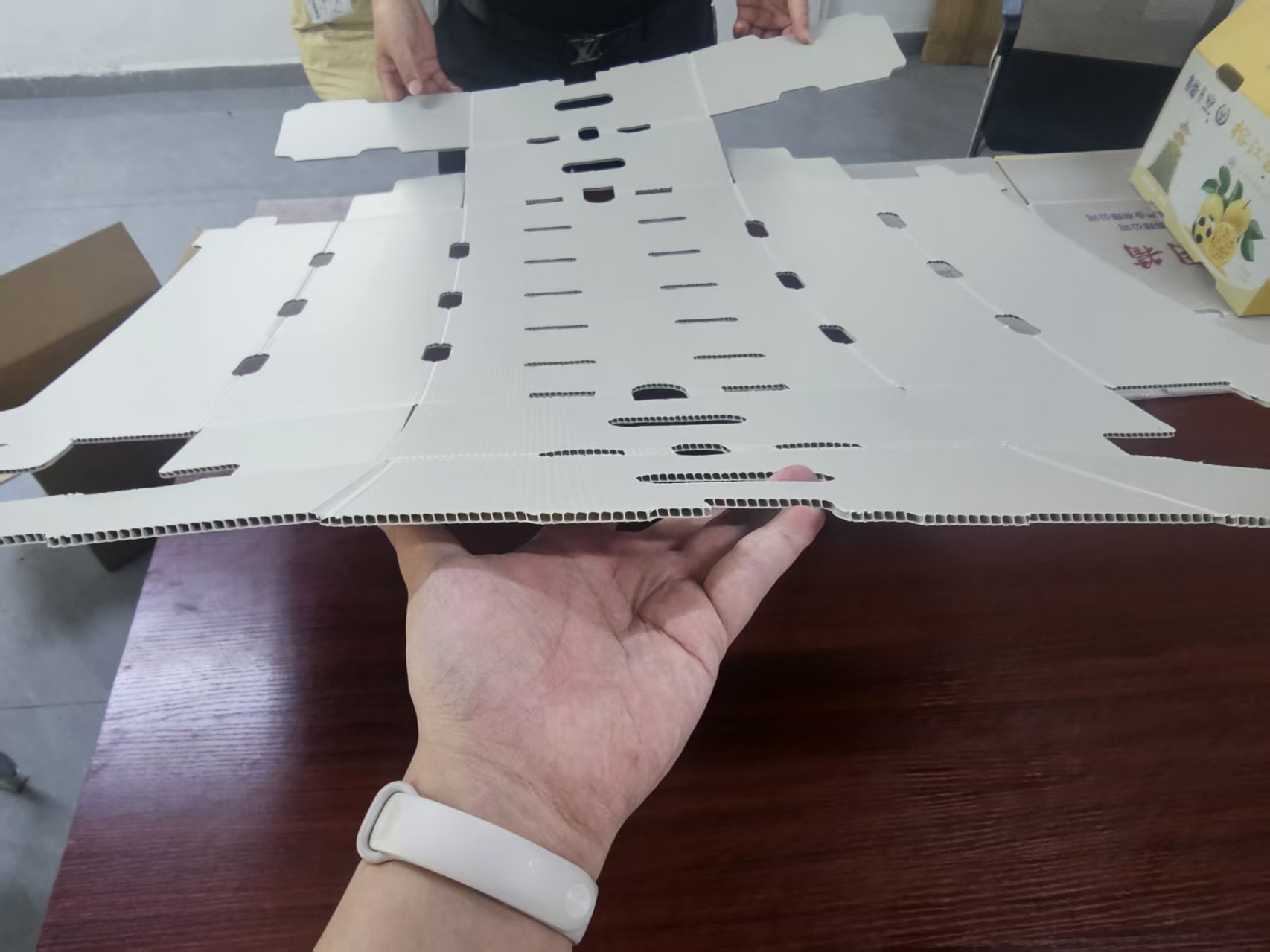
A typical corrugated polypropylene sheet has two flat outer surfaces connected by rows of internal ribs. These ribs create hollow channels running through the sheet.
The hollow structure is what makes the material interesting. Instead of using a solid piece of plastic, the ribs provide support while keeping the overall sheet weight under control.
Compared with conventional corrugated paperboard, the material behaves quite differently. PP has natural toughness and flexibility, so the sheet can tolerate a certain amount of bending, compression and impact without immediately losing its shape.
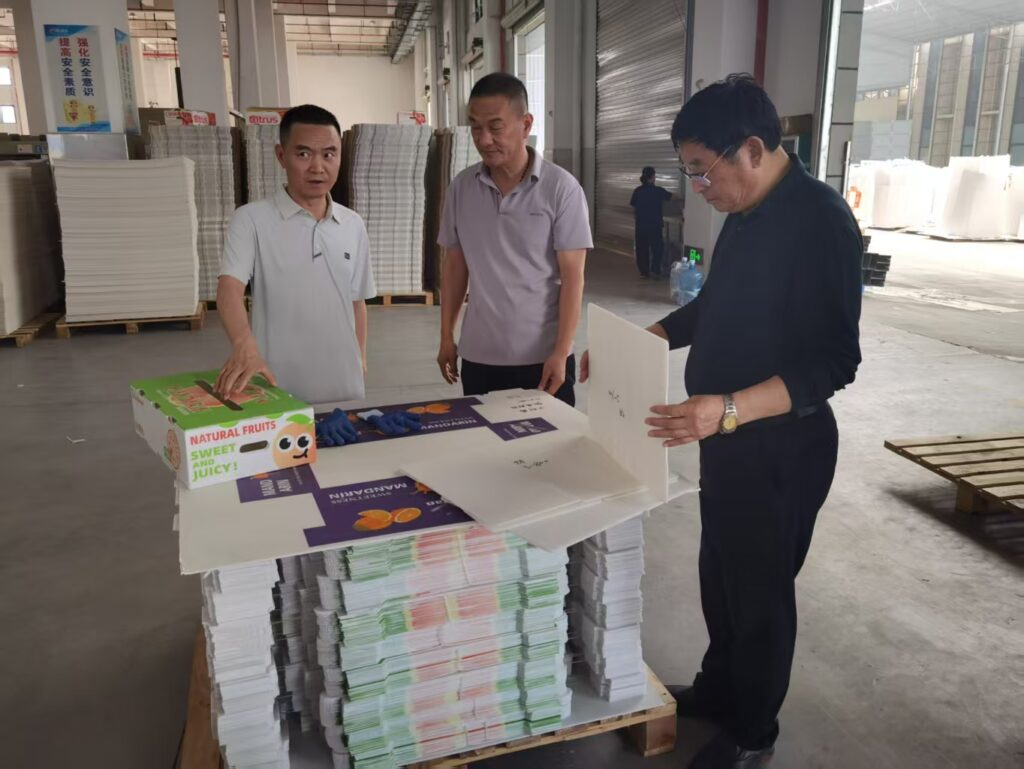
The sheet is also made as one continuous structure. The top skin, bottom skin and internal ribs are formed together during extrusion rather than being assembled later as separate layers. See how PP corrugated plastic sheet is made for a closer look at this process.
This integrated structure is one reason corrugated polypropylene works well for packaging that needs to be handled repeatedly, stacked or reused.
What Is the Difference Between Thickness and GSM?
Thickness and GSM are two different specifications, and buyers often mix them up.
Thickness describes the overall height of the sheet. Common specifications include 3 mm, 4 mm, 5 mm and 6 mm, although thicker sheets can also be produced.
At XIANGHUI PACK, our current production capability reaches approximately 12 mm. With the right material formulation, GSM and structural design, thicker sheets can be used for demanding industrial packaging where higher rigidity and compression resistance are needed.
GSM means grams per square meter. In other words, it tells you how much material there is in one square meter of sheet. Use our GSM weight calculator to estimate theoretical sheet or box weight by area and GSM.
A 3 mm sheet, for example, may be 600 GSM, 800 GSM or 1000 GSM. The thickness is still 3 mm, but the amount of material inside the sheet is different, so the rigidity and load performance can also be very different.
For fruit, vegetables and general fresh-produce packaging, we often start around 800 GSM and then adjust the specification according to the box size, packed weight and stacking requirement.
Industrial packaging is a different situation. Automotive parts, mechanical components and electrical products are often heavier and may be handled and stacked repeatedly. In these applications, we commonly move toward 1000–1200 GSM and combine it with thicker sheet or reinforced structures when necessary.
In our own testing, properly designed boxes using these heavier specifications can handle approximately 20–40 kg per box, depending on the dimensions, structure and material configuration.
We use this type of packaging for parts such as automotive bumpers, radiators, transmissions and other large or heavy components. These are applications where both load capacity and stacking stability really matter.
So thickness alone is never enough to judge a sheet. GSM, structure, load and the way the box will actually be used all need to be considered together.
What Affects the Strength of Corrugated Polypropylene?
Material formulation makes a noticeable difference.
Plastic resins come in different grades, such as 7042 and K8003, and each grade has its own balance of rigidity, toughness, impact resistance and low-temperature behavior.
The CaCO₃ used in the formulation also matters. Particle fineness, together with the amount of CaCO₃, PE and other materials added, can change the final physical properties of the sheet.
Temperature is another factor that is sometimes overlooked. At very low temperatures, plastics can lose toughness and become more brittle. For cold-chain or low-temperature packaging, we adjust the formulation according to the actual working temperature and use suitable modifiers to reduce this risk.
The internal ribs are just as important. Their spacing, direction and consistency affect how the sheet bends and how it handles compression.
We have seen customers bring us samples from other suppliers where the ribs were uneven, the sheet had local deformation or the edges were poorly formed. Problems like these are often related to extrusion equipment and process control, not just raw material.
A proper PP hollow-sheet extrusion line forms the outer skins and internal ribs together in one continuous process. When the extrusion is stable, the rib structure is more uniform and the sheet performance is more consistent.
Box size and design also matter. Handles, ventilation holes, cut-outs and internal dividers all change the way forces move through the box. That is why two boxes made from the same thickness and GSM can still perform very differently.
Common Packaging Applications of Corrugated Polypropylene
Corrugated polypropylene is particularly useful where packaging needs to deal with moisture, repeated handling or custom internal structures.
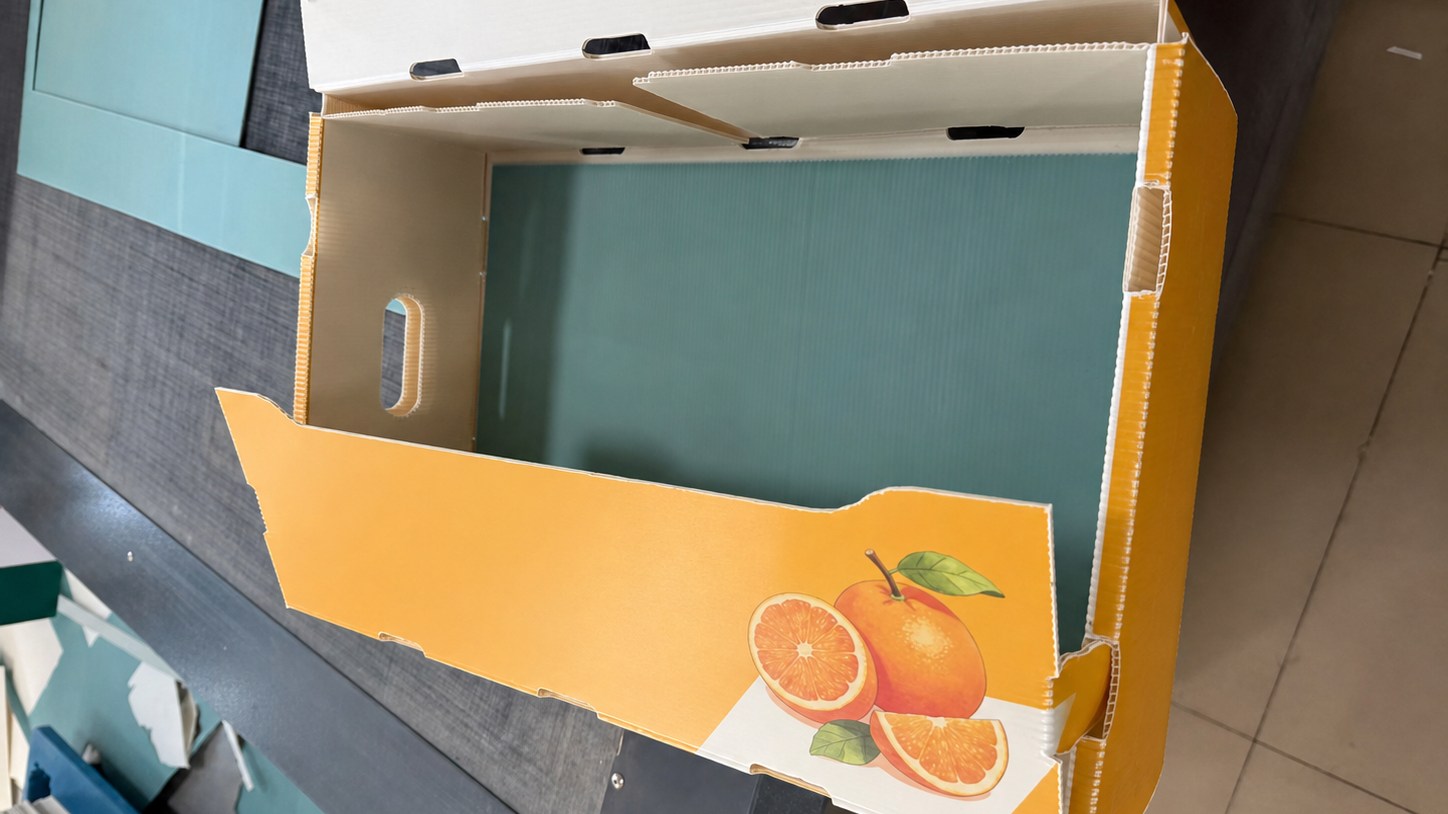
For fruit, vegetables and fresh produce, it is commonly used for fresh produce packaging and cold-chain packaging. Because PP is plastic, moisture and condensation do not affect it in the same way they affect paper-based packaging.
Ventilation and drainage holes can also be designed into the box. For fresh produce, this can help with airflow, pre-cooling and removing excess water during storage and transport.
In industrial packaging, corrugated polypropylene is frequently used for automotive parts, mechanical components and electronics. These products can be heavier, more valuable and more sensitive to impact.
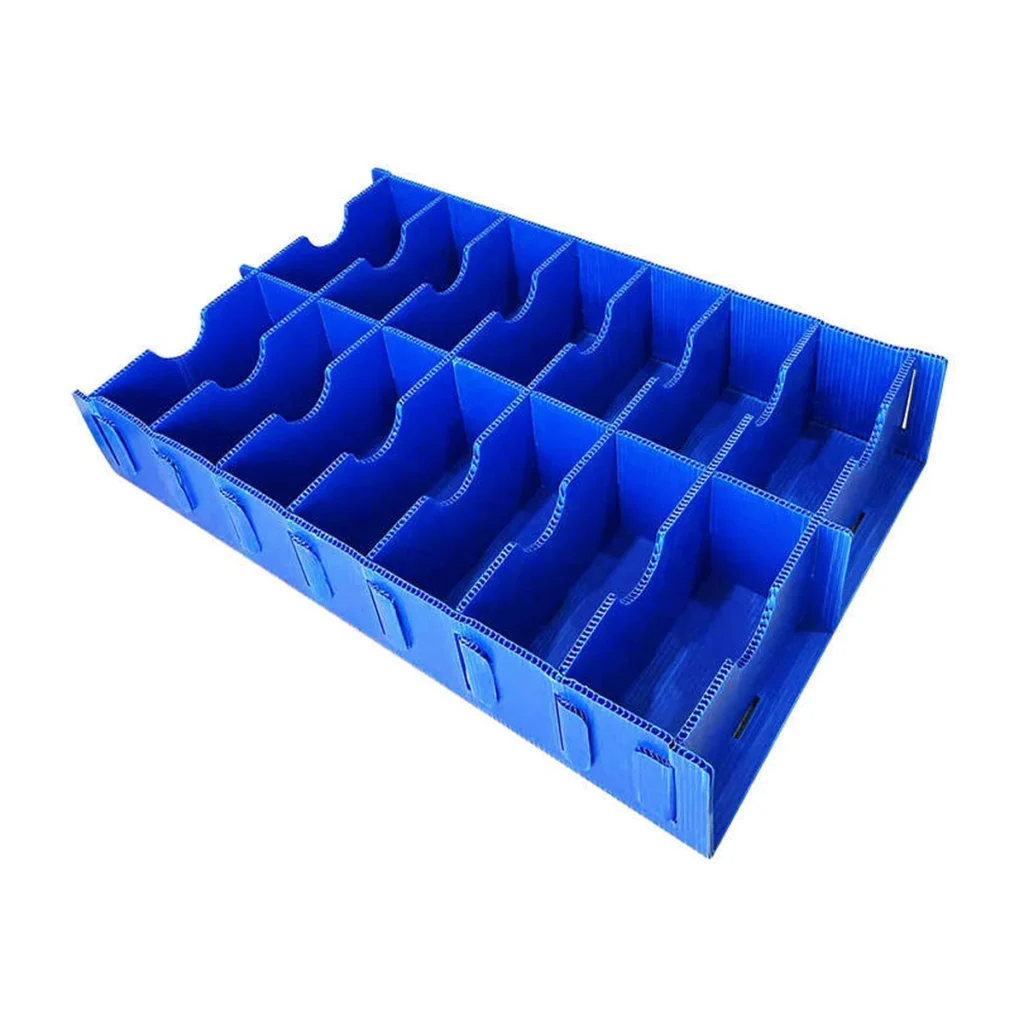
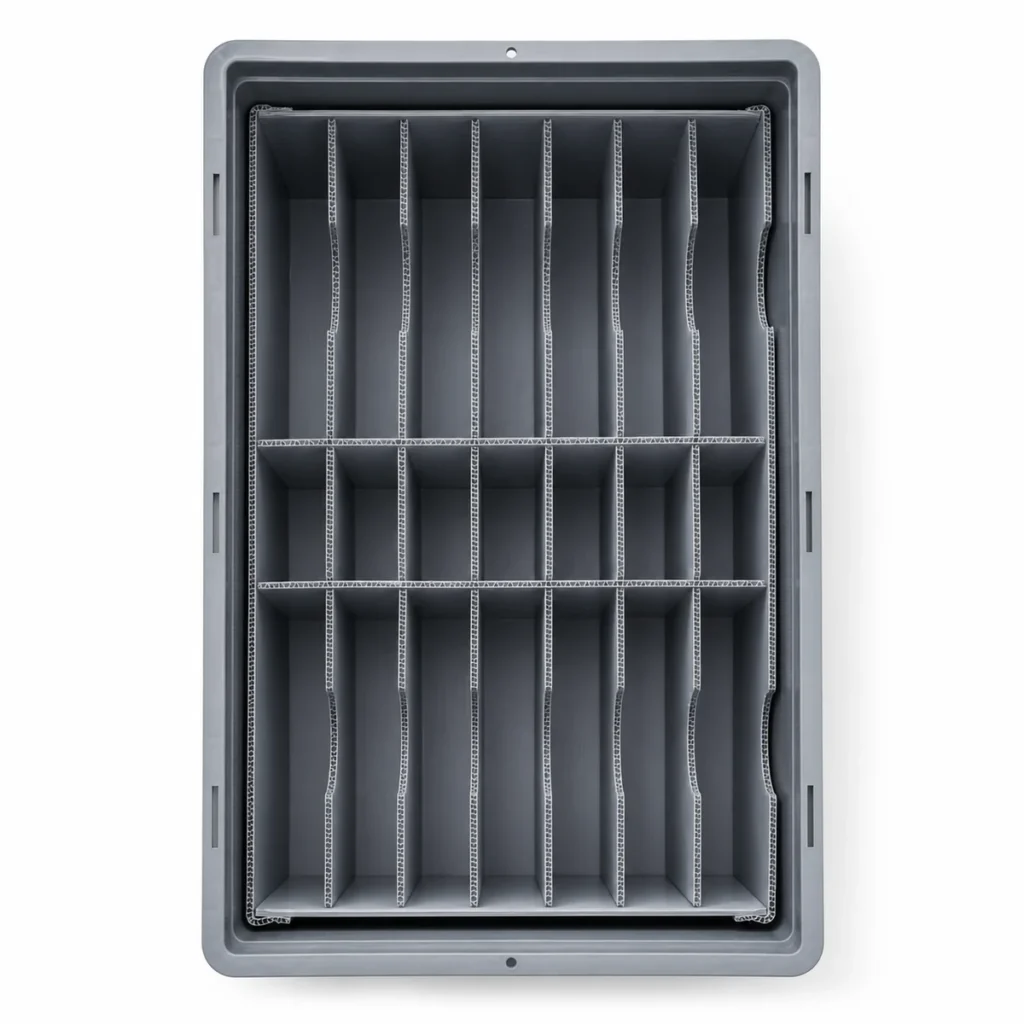
For these applications, we can increase the GSM and thickness and add corrugated plastic dividers and inserts, reinforced structures or protective materials such as EPE foam. This gives each part its own position inside the packaging and reduces movement, impact and surface damage during handling.
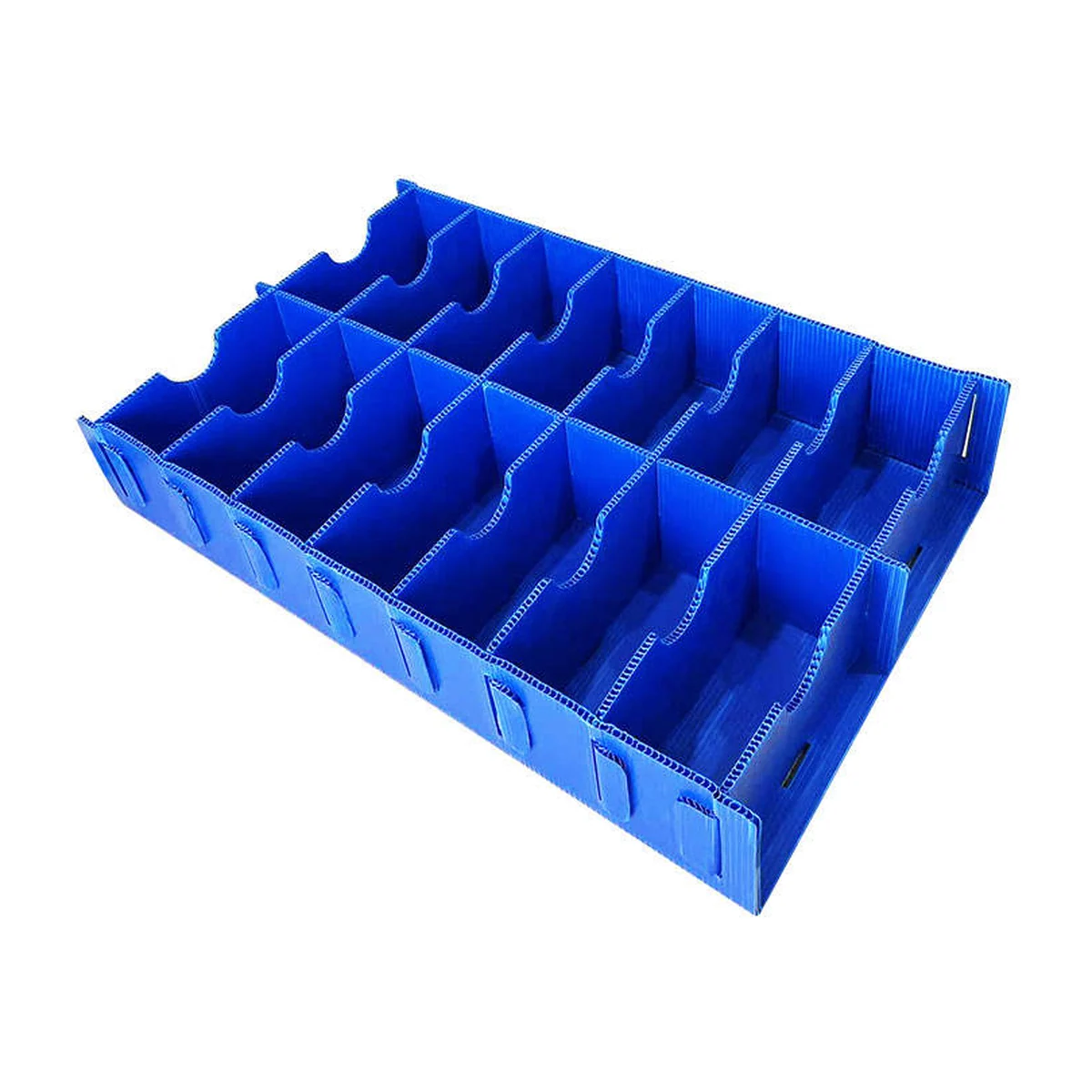
Corrugated polypropylene also works well in returnable packaging systems.
It can be made into foldable boxes, totes and customized reusable containers. In XIANGHUI PACK’s internal testing, some packaging designs can be reused around 20–50 times under normal handling conditions.
For a closed-loop system between a factory, warehouse and regular customer, this can make a big difference to long-term packaging cost. Instead of paying for a new package every trip, the same packaging cost is spread over multiple cycles.
What Information Should Buyers Provide Before Ordering?
If you are looking for custom corrugated polypropylene packaging, simply telling the supplier “I need 3 mm” or “I need 800 GSM” usually does not provide enough information.
What we really need to know is how the packaging will be used.
Useful information includes:
- The product being packed
- Product dimensions
- Weight per box
- Required internal or external box dimensions
- Stacking height
- Storage and working temperature
- Ventilation or drainage requirements
- Whether dividers, EPE foam or other protection are needed
- Whether the packaging is one-way or returnable
- Estimated order quantity
If you do not know the right thickness or GSM yet, that is completely normal.
In many projects, it is actually better to start with the product, weight, dimensions and operating conditions. The sheet specification can then be selected around the real application instead of choosing a number first and trying to make the packaging fit it.